Humidity first
Compare seasonal humidity and temperature, not just an annual average.
U.S. homeowner resource
An editorial guide to the digital blueprint package that teaches an atmospheric-water collection project. Learn what the official offer includes, where the science helps, and what a responsible home water plan still requires.
Availability, checkout terms and any current pricing are shown by the official retailer.
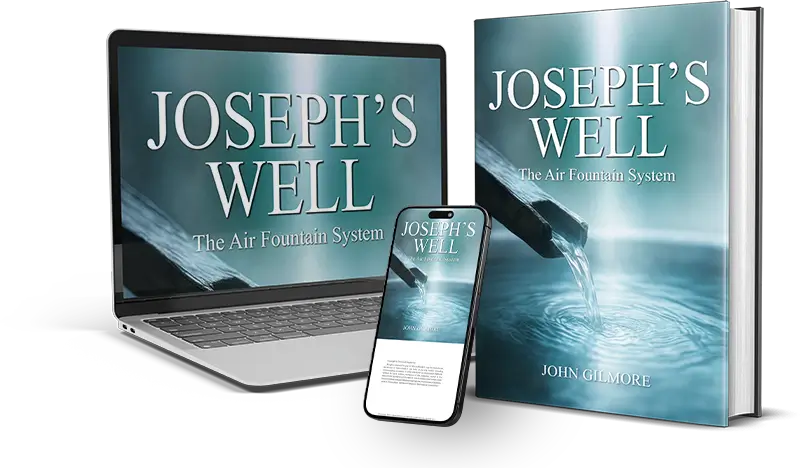
Official one-time digital offer
Climate and safety context matters
Official offer describes a guarantee
The practical question
Joseph’s Well is presented as a digital, step-by-step DIY program—not a plug-in machine delivered to your door. The official offer says purchasers receive a video guide, printable blueprints and schematics, a materials list, on-grid and off-grid power guidance, and email support. It is aimed at U.S. households interested in preparedness, rural living, camping, cabins, or simply understanding a backup water option.
The underlying idea is atmospheric water generation: cool humid air below its dew point and some of its vapor becomes liquid water. That is normal condensation—the same basic phenomenon behind dew and a dehumidifier. The official sales material promotes a large “up to” daily-output figure; our read is that shoppers should treat output as a scenario-specific claim, not a promise. A small home-built condenser’s collection rate can change dramatically with relative humidity, air temperature, airflow, coil performance, run time and electricity use.
That distinction is important for people from the humid Gulf Coast to high-desert Arizona. In a damp summer climate, air contains more recoverable moisture than in cold or very dry conditions. A responsible project starts with local weather data, an energy calculation, a safe build plan, and a drinking-water treatment plan—not with a gallon estimate alone.
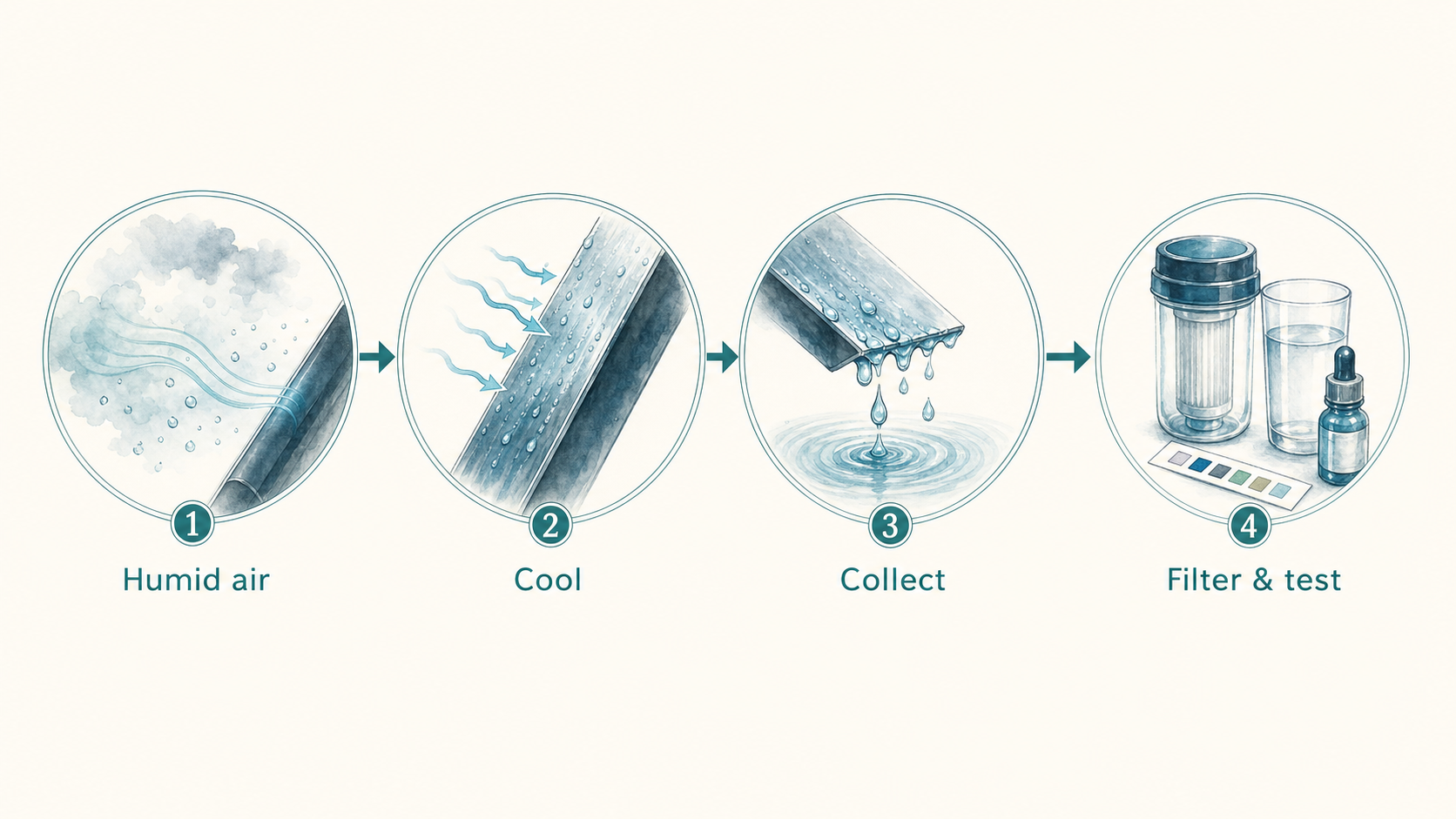
Use the official guide as a starting point, then apply these real-world filters before relying on any setup.
Compare seasonal humidity and temperature, not just an annual average.
Include startup load, run time, ventilation and solar-storage capacity.
Use food-safe contact surfaces and clean collection/storage practices.
Do not assume condensation is potable; verify treatment and water quality.
Included on the official offer
The official package lists three digital bonuses. They are useful topics for a preparedness library, but they should supplement—not replace—current public-health guidance and any local requirements.
See current package details →The offer describes storage containers, rotation and contamination prevention. Pair it with FEMA and local emergency-management guidance for your actual household plan.
The official description covers filtration, solar disinfection, boiling and mineralization. Use validated instructions for the specific source and contaminant risk.
Presented as a household water-awareness report. Check your local utility’s Consumer Confidence Report and consult trusted public sources for evidence-based details.
Water safety is non-negotiable
Water condensed from air can pick up contaminants from air, coils, drain pans, tubing and storage containers. Every DIY system needs maintenance and a safety plan. The U.S. EPA says boiling and disinfection can address many disease-causing microorganisms, but do not remove heavy metals, salts or most other chemicals. Consult local health authorities, observe building/electrical codes, and use qualified professionals where appropriate.
Read EPA emergency water guidance ↗Editorial review
Joseph’s Well may suit a hands-on adult who wants a structured introduction to a condensation-based water project, especially someone who values a single bundle of video instructions, diagrams and sourcing guidance. The package’s emphasis on home-build materials and off-grid power will naturally appeal to cabin owners, preparedness-minded families and those learning practical resilience skills.
It is a weaker fit for someone who needs a certified drinking-water appliance, a guaranteed daily output, no-maintenance operation, or a solution that works equally well in every U.S. climate. It is also not a substitute for municipal-service planning, a professionally designed potable-water system, or stored emergency water. Anyone who needs water for medical use, infants, elderly family members, livestock, a business, or a large household should seek appropriate professional and regulatory advice.
According to the offer page, digital access is immediate and includes an A-to-Z video guide, printable blueprints, a materials list, on-grid and off-grid/solar instructions, and support access, along with the three bonus guides listed above. It also describes a 60-day guarantee. Because offers and checkout terms can change, the linked official checkout is the source of truth for current inclusions, eligibility, pricing and refund steps.
Across the United States, extreme weather, outages and local advisories are practical reasons to learn how your home gets water. The most resilient approach layers options: stored water, a safe way to treat an approved source, local alerts, suitable containers, and a clear household plan. An air-to-water build may be an interesting supplemental project in a favorable climate, but it belongs within that wider plan. It should never be framed as a guaranteed answer to every drought, outage or water-quality concern.
Deep-Dive Review & Details
We break down the official blueprints, the science of atmospheric condensation, and practical considerations for U.S. households.
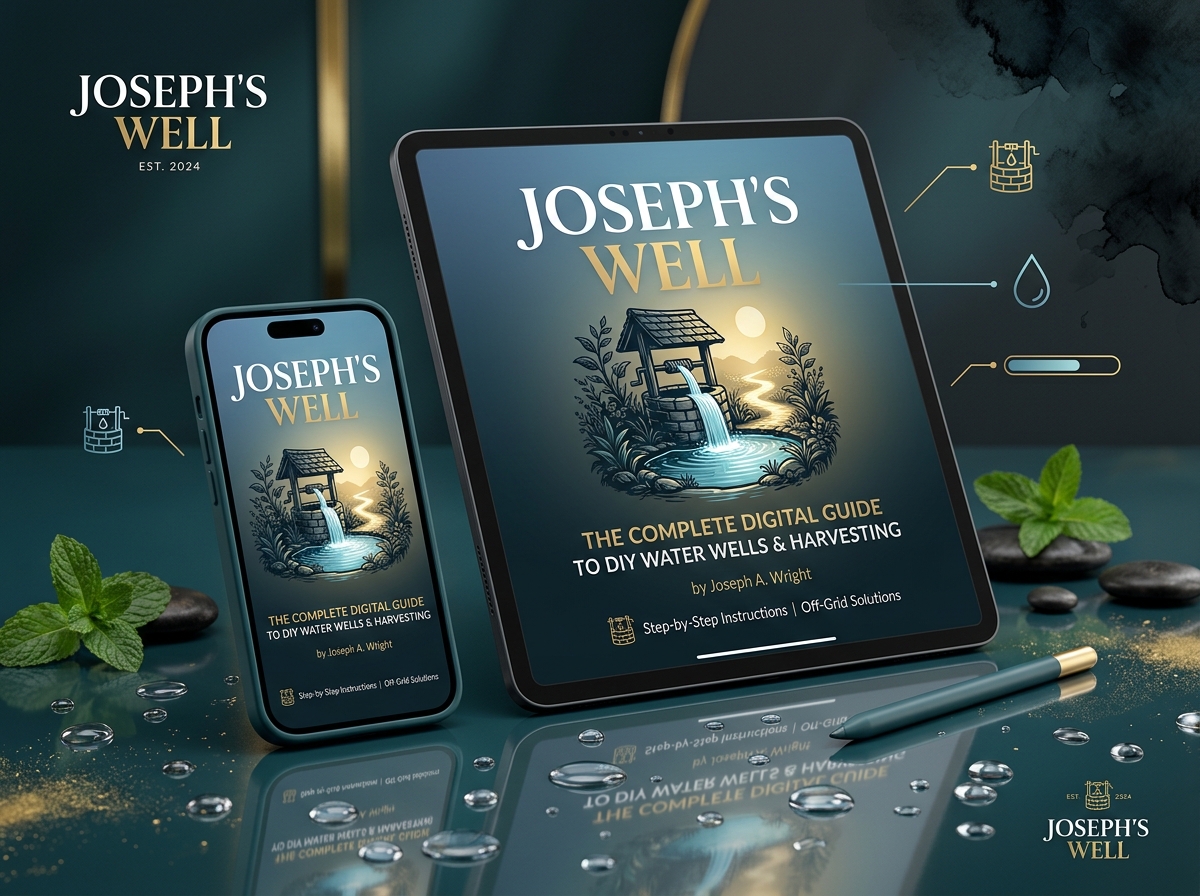
The official Joseph’s Well sales page lists the complete digital system at a one-time contribution of $67. It is a digital instructional package, not a pre-assembled appliance. The offer says access is delivered immediately and includes a step-by-step video guide, printable blueprints and schematics, a materials list with sourcing links, on-grid and off-grid power guidance, and email support. Pricing, bonus availability, retailer policies and checkout terms can change, so the official checkout remains the final authority.
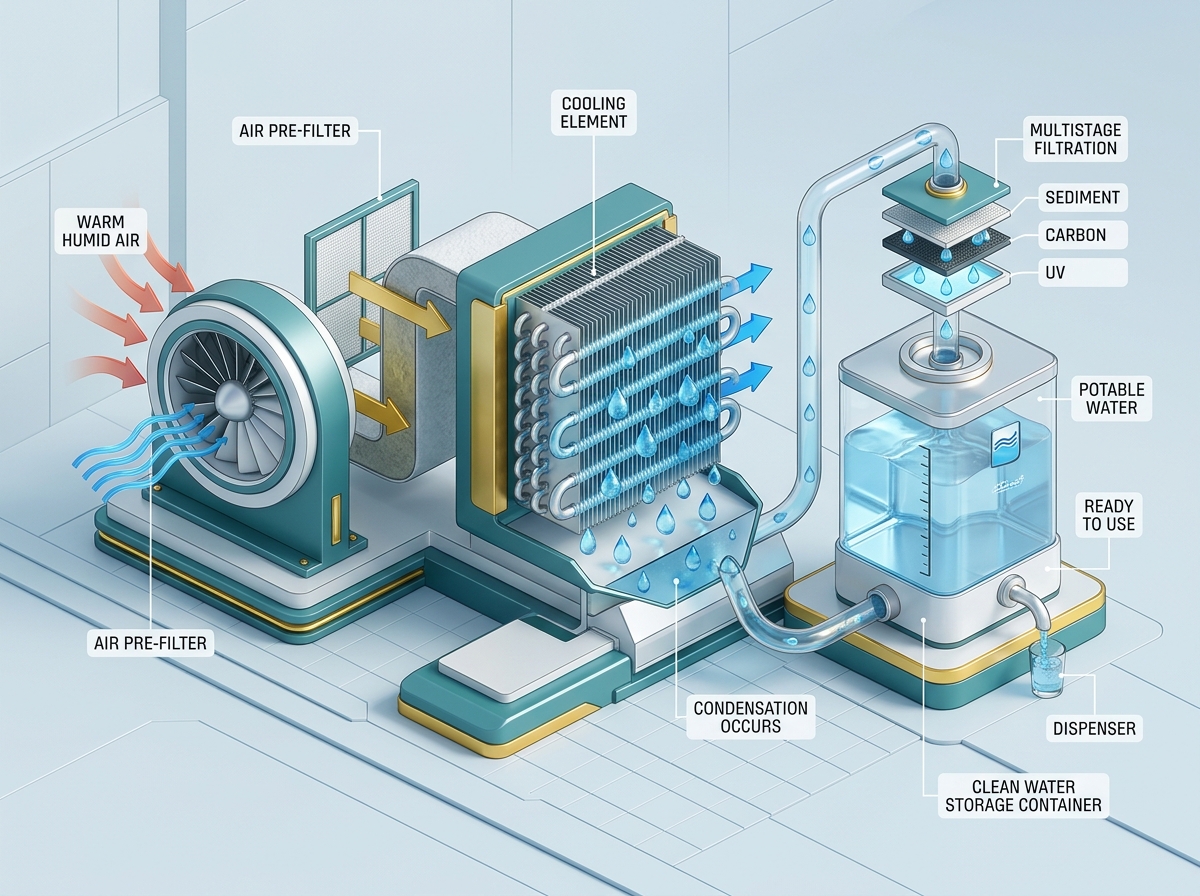
The program describes a household-scale atmospheric-water approach. A fan moves humid air over a cooled surface. When the surface is below the air’s dew point, water vapor condenses into droplets. Those droplets are collected, then the proposed setup uses filtration and storage steps. The official page describes an “up to 10 gallons per day” potential for the setup it shows. That is an upper-bound marketing claim, not a universal outcome: ambient humidity, temperature, device capacity, run time, airflow, cleanliness and power use determine what any individual build can collect.
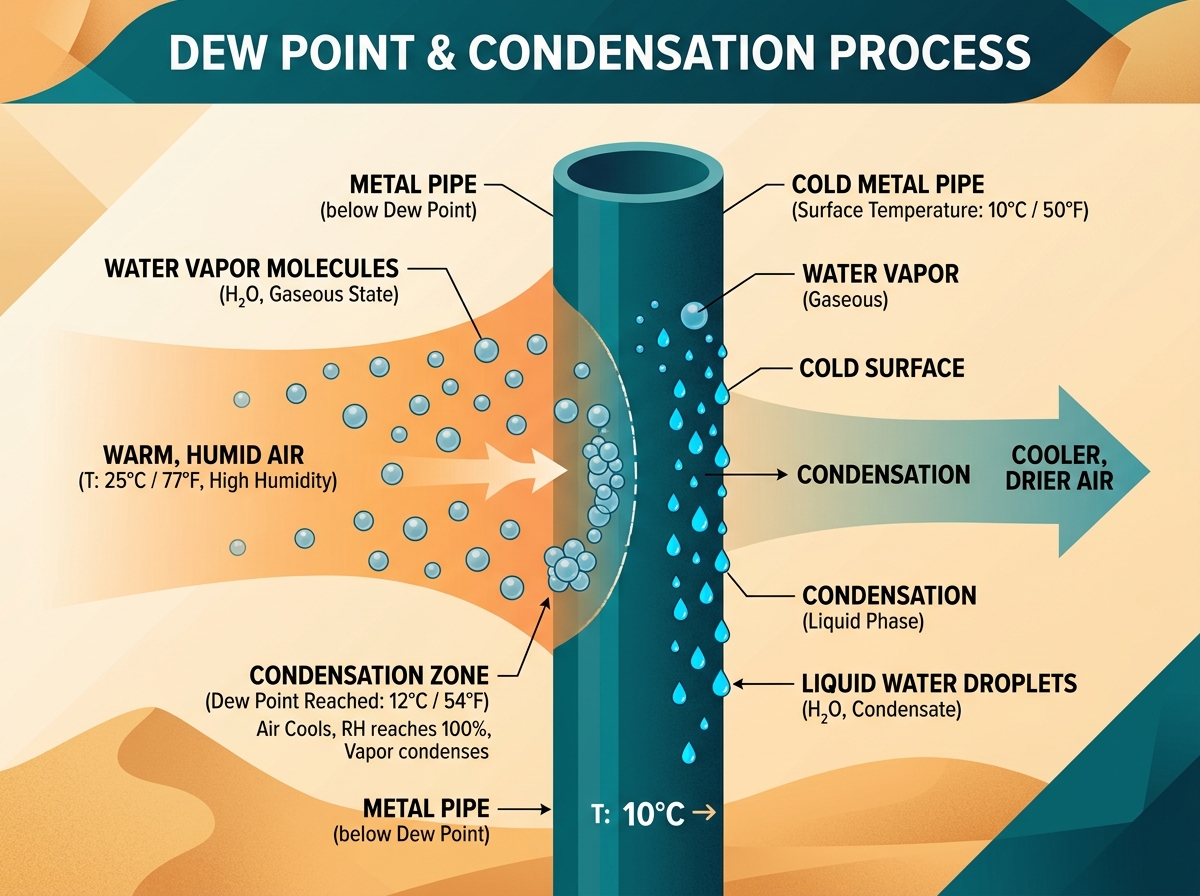
Atmospheric water collection relies on a familiar physical process: condensation. Warm air can hold more water vapor than cooler air. Cooling moist air makes it reach saturation; excess vapor becomes liquid on the cold surface, just as dew forms outdoors or a dehumidifier fills its tank. Modern systems combine refrigeration, heat exchange, fans, drains, filters and controls. That science is legitimate, but a DIY setup needs careful electrical work, drainage, cleaning and material selection. Air collection alone does not prove that the resulting water meets drinking-water standards.
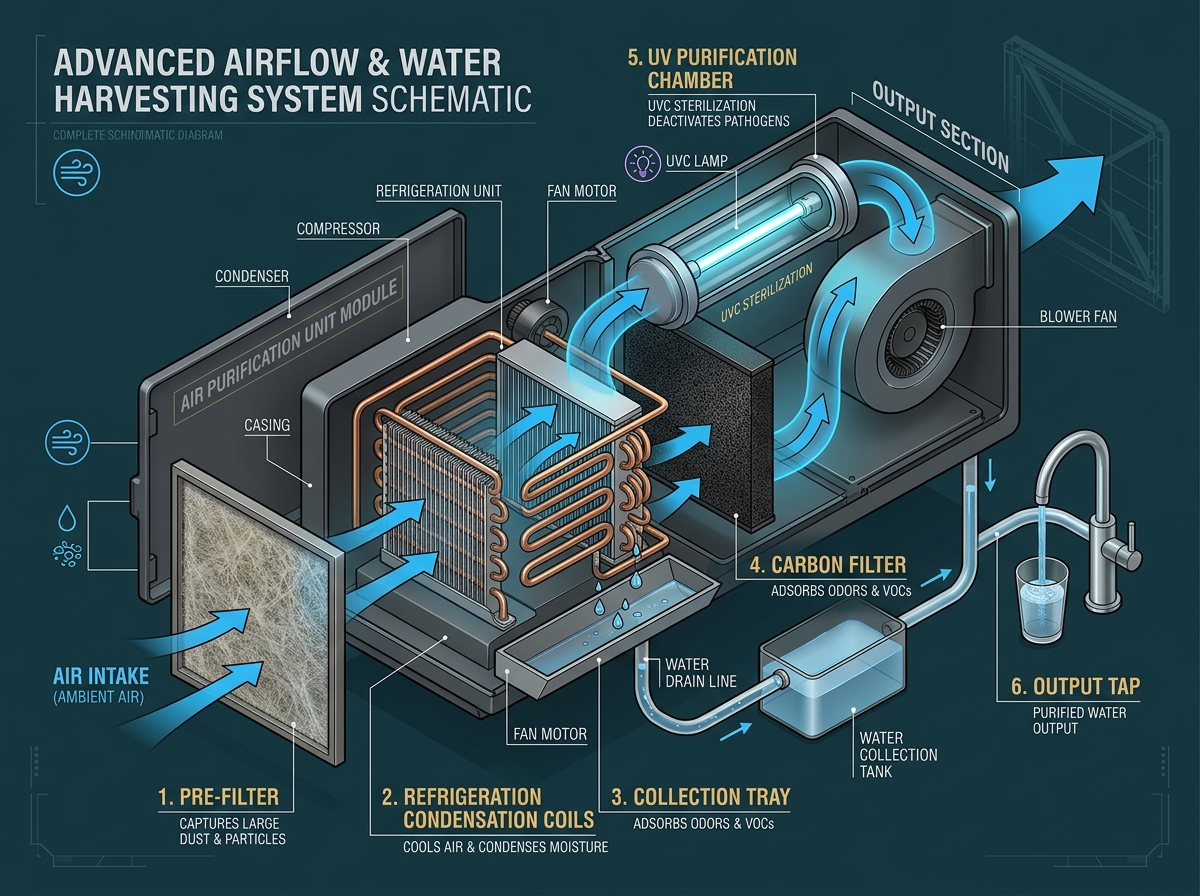
A practical atmospheric-water device normally uses an intake filter to reduce debris, a fan to move air, refrigeration or another cooling mechanism to create a cold exchanger surface, a collection pan and food-safe tubing, then treatment and protected storage. For potable use, the weak points are often not the condensation itself but dirty coils, standing water, leaching materials, biofilm and untreated storage. Build instructions should be evaluated alongside local code requirements and a testing plan. The EPA notes that boiling or disinfection does not remove heavy metals, salts and most other chemicals; select treatment based on the actual risk and test where appropriate.
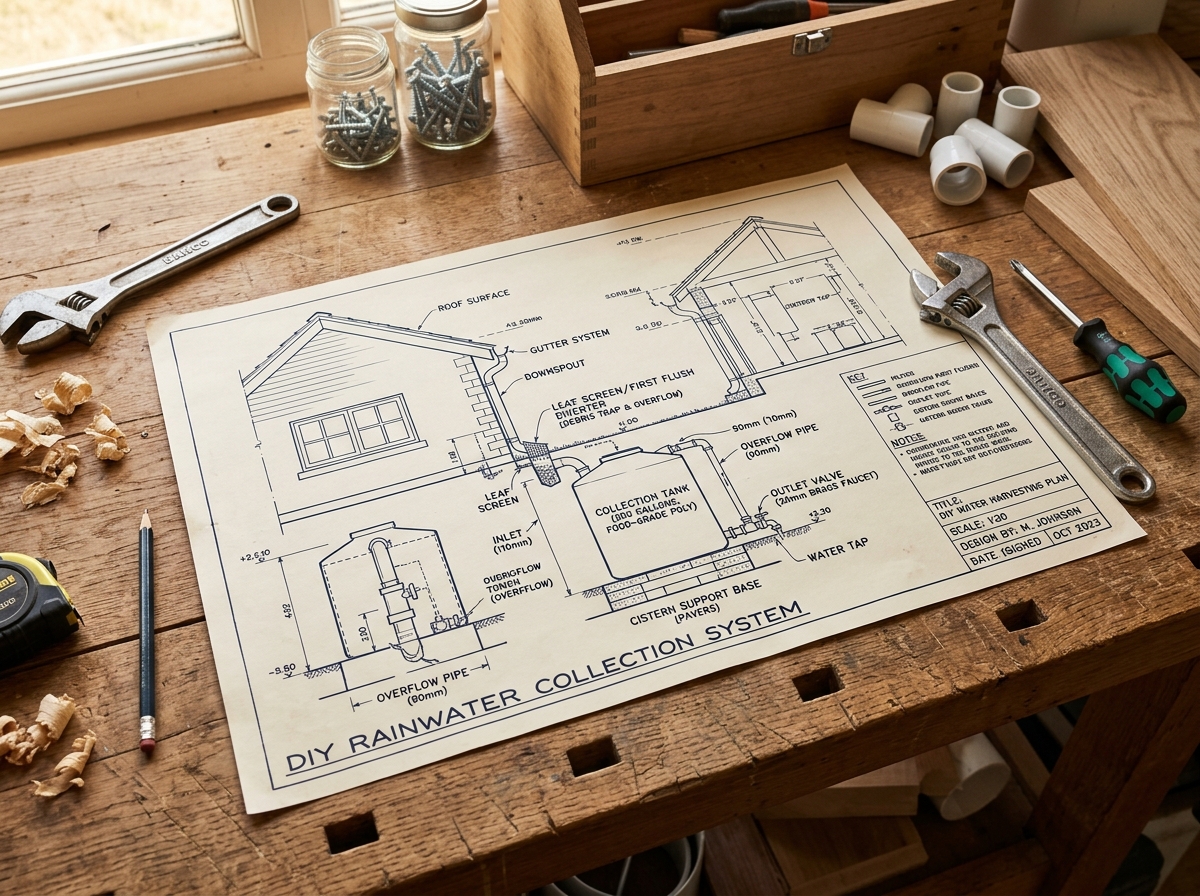
The official offer positions the guide for ordinary adults using basic tools. A sensible workflow is to review all instructions before purchasing components, check local electrical and water rules, compare expected collection against local humidity and energy costs, assemble only with safe materials, and test the system before relying on it. Follow maintenance intervals, clean contact surfaces, protect stored water from contamination and maintain a separate emergency supply. The digital access and tutorials can assist with the build, but they do not replace a qualified electrician, water professional or local authority when your project requires one.
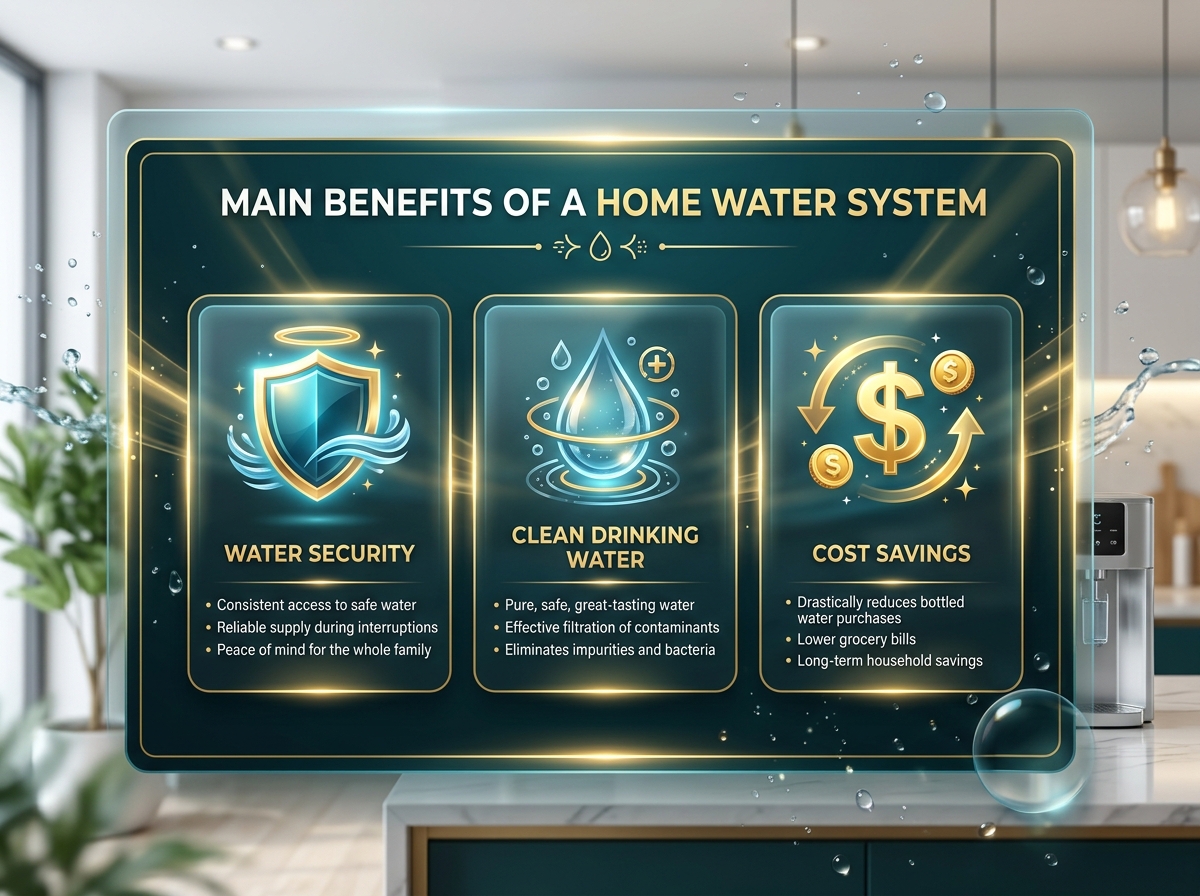
For the right homeowner, the main potential benefit is structured DIY education: plans, videos, source lists and solar/off-grid context in one package. It may be relevant to people learning preparedness skills, evaluating a cabin or RV project, or experimenting with a supplementary water source in a humid region. The official offer also highlights immediate digital access and three bonuses. These benefits are about instruction and possible preparedness value; they should not be read as a promise of water independence, specific output, savings or suitability for drinking in every U.S. location.

The official story identifies John Gilmore as the person presenting the system and its building guidance. The page describes a faith-oriented, family-preparedness motivation and says he developed the package after experimenting with a smaller, more accessible design. This website cannot independently verify the biographical narrative or individual performance accounts; readers should evaluate the materials, support and checkout policies directly before purchase.

The official offer describes a “100% Peace-of-Mind Guarantee.” It says buyers may try the system for 60 days, follow the guide at their own pace, and request a refund by email if dissatisfied or if it is not the right fit. Refund eligibility, timing and how to submit a request are governed by the retailer’s current terms, so retain your receipt and review those terms before ordering. This site does not administer refunds.
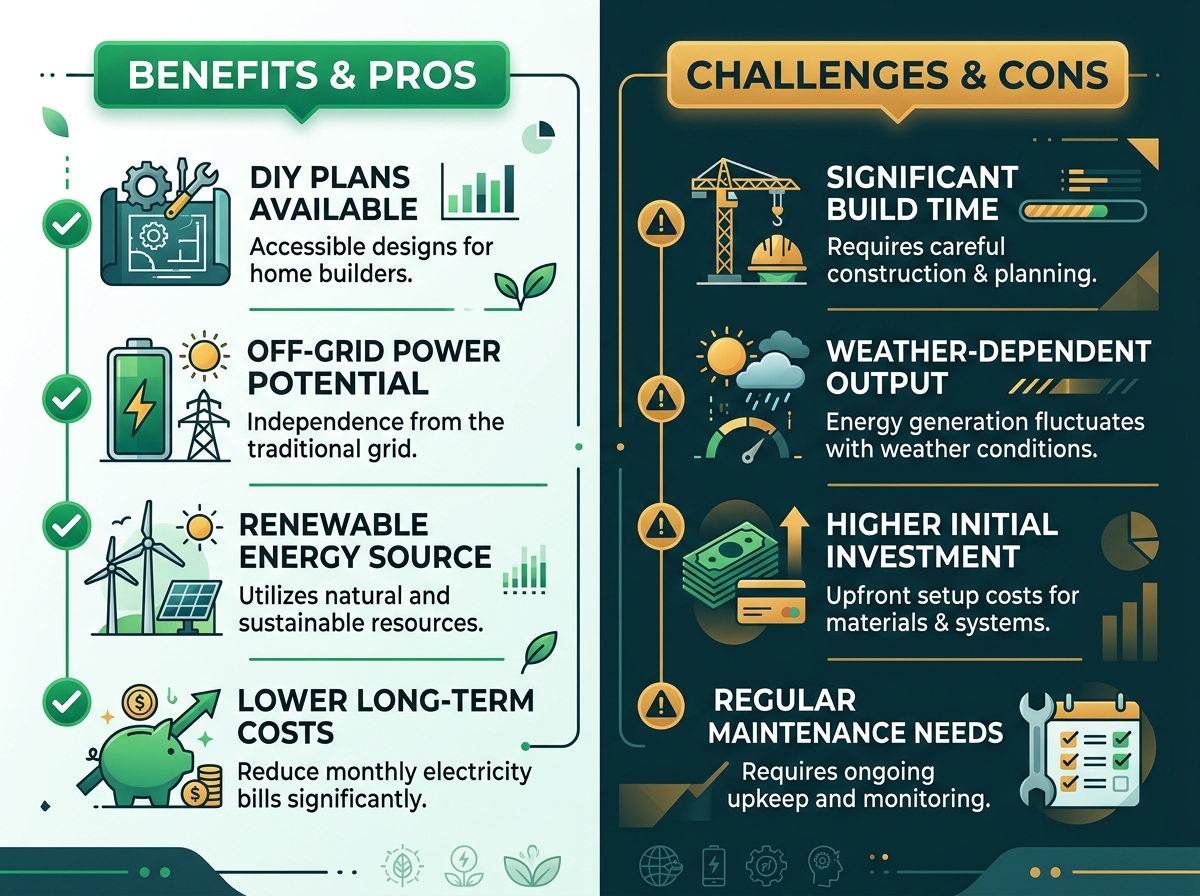
Potential pros: one-time digital access at the listed $67 offer price; videos, blueprints and materials guidance grouped together; stated on-grid and solar/off-grid instructions; and three related preparedness bonuses.
Important cons: it requires hands-on construction, electricity and regular maintenance; output is weather-dependent; actual build cost is separate from the $67 digital access; and collected water must be managed and verified safely. It is unsuitable as a sole emergency plan or as an assumed certified potable-water appliance.

The official page displays testimonials attributed to Adam B. in Missouri, Lena R. in Texas and Deacon Mark C. in Arizona. They describe positive experiences with the instructions and solar use. These are testimonials selected by the seller and reflect individual reports, not independently verified typical results. They should not be used to predict your output, construction experience, costs, water quality or climate performance.

The official offer lists three bonus guides: How to Secure Your Water Reserves, How to Purify and Mineralize Water, and The Deadly Agents Hidden in Your Water. The offer states they are included free with the system and assigns a claimed standalone value of $49 each. Verify that the bonuses still appear at checkout. Use up-to-date public-health guidance rather than relying only on a bonus guide for emergency water treatment decisions.
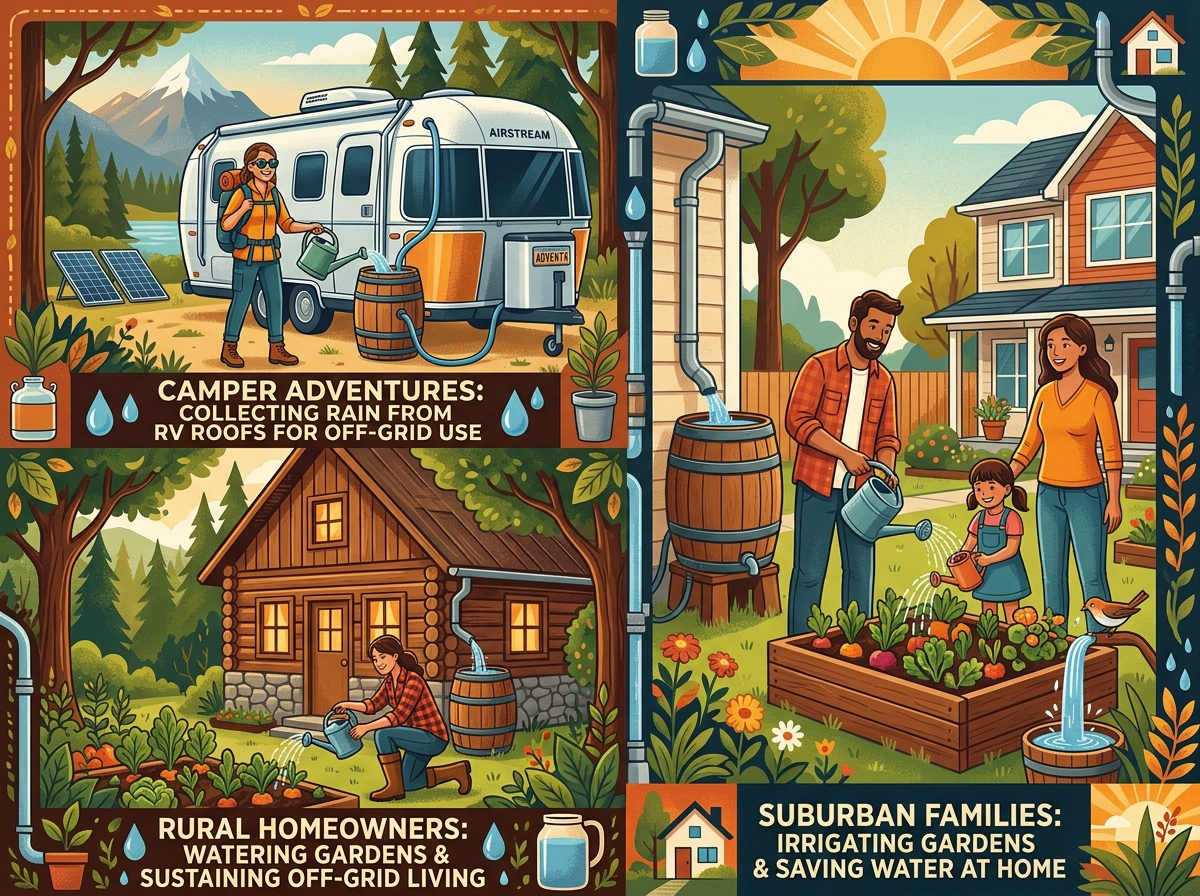
This program may be a fit for a practical, safety-conscious adult who wants a DIY learning project and is prepared to evaluate climate, power, codes, maintenance and water testing. It may be especially relevant for households interested in off-grid skills, resilience learning, RV or cabin planning, or supplementary collection in suitable weather. It is not a good fit for anyone who needs guaranteed gallons, zero-maintenance operation, certified potable water, a turnkey product, or an immediate replacement for municipal service. People with high-risk water needs should consult qualified local professionals before relying on a DIY setup.
Official offer options
The provided offer creatives show two $67 options. The hard-copy graphic also lists $9.95 for shipping and handling. Review the official checkout for the current selection, pricing and availability.

Includes the digital Joseph’s Well guide and the three listed bonus guides in the supplied pricing creative. The official offer describes immediate digital access.
Get digital access →
The supplied hard-copy creative lists a physical copy, a digital copy and the three bonus guides at $67, plus $9.95 shipping and handling.
View hard-copy option →Pricing shown from the supplied offer creatives. Checkout is the source of truth for current terms.
Quick answers
The official offer describes a digital, DIY instructional package with videos, plans and a materials list. Confirm the current package at the official retailer before purchase.
The official long-form offer reviewed July 28, 2026 lists a one-time contribution of $67 for digital access. Always confirm the live checkout price and terms.
No. Condensation output is affected by humidity, temperature, equipment performance, power and maintenance. Use climate data and treat “up to” figures as non-guaranteed.
Do not assume so. Apply appropriate treatment, hygienic storage and testing based on your setup and local requirements.
The official sales page currently lists three bonus guides. Availability and terms belong to the official checkout.
Review the creator’s current materials, checkout price, guarantee and bonus eligibility directly before deciding.
Visit the official Joseph’s Well offer →Included bonus library
The official offer lists these three digital bonus guides with Joseph’s Well. The visuals below reflect the supplied bonus artwork; confirm the current package at checkout.
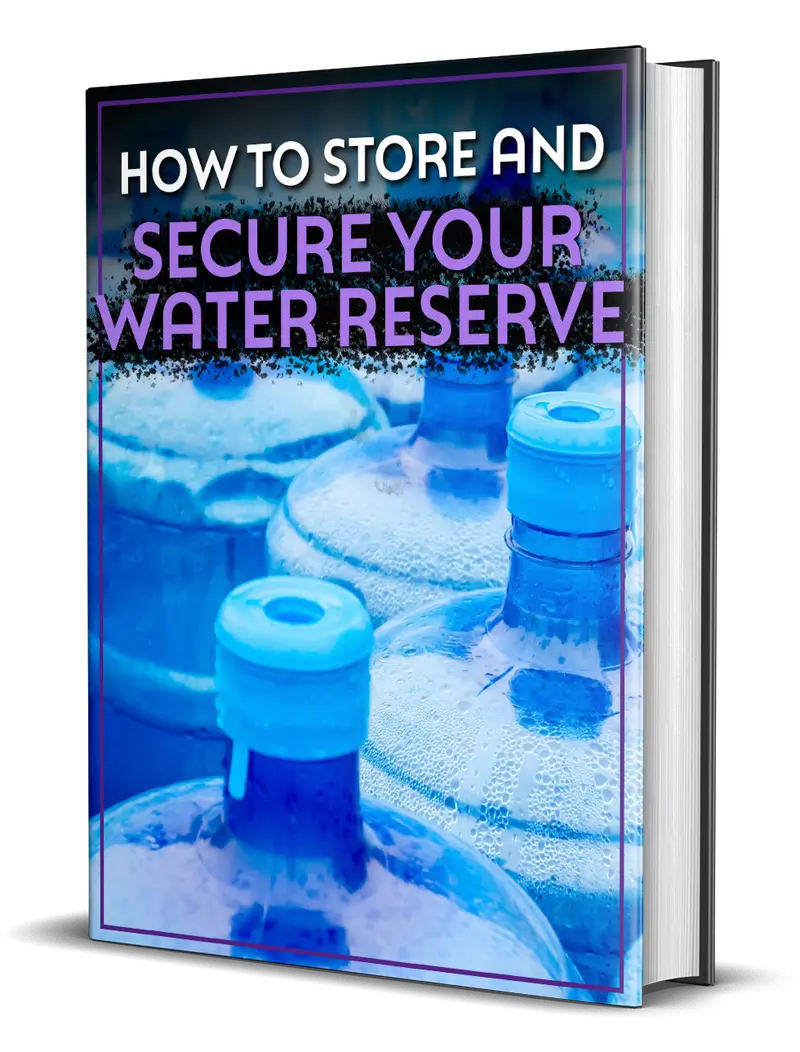
BONUS 01
The official description covers containers, supply rotation, preservation and contamination protection for stored water.
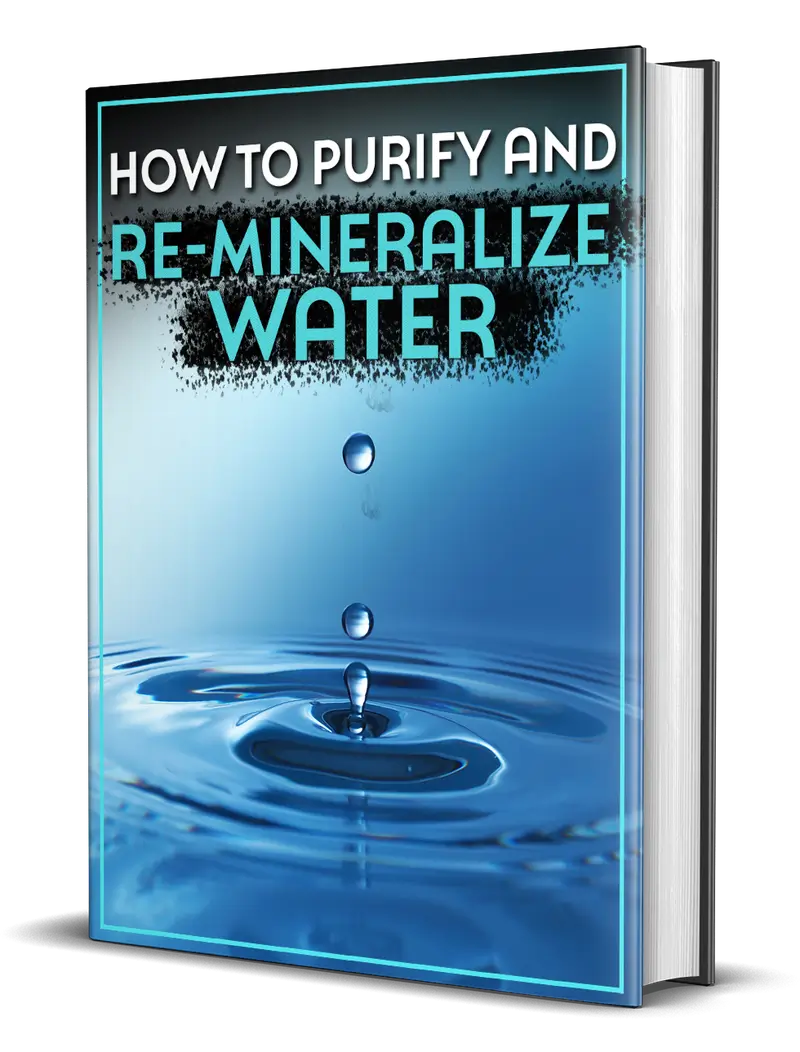
BONUS 02
The offer presents treatment and mineralization guidance; use validated local public-health advice for any real water-safety decisions.

BONUS 03
An awareness-focused bonus. Consult your local utility’s Consumer Confidence Report and recognized health authorities for verified information.
Visual field notes
These illustrations summarize the decisions behind the guide: local conditions, safe upkeep and realistic power planning.
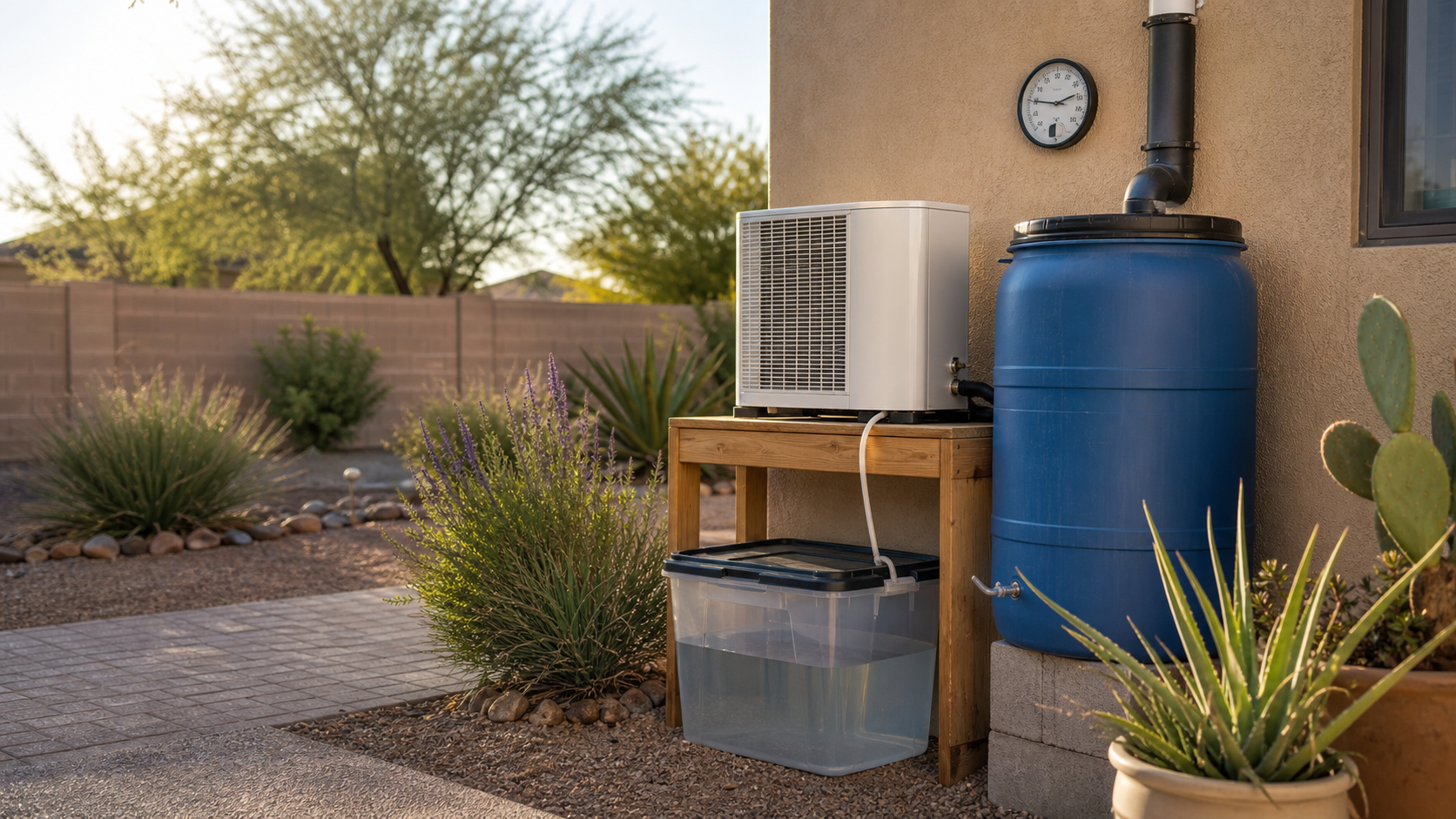
Humidity and temperature shape collection potential. Compare seasons before estimating a useful output.
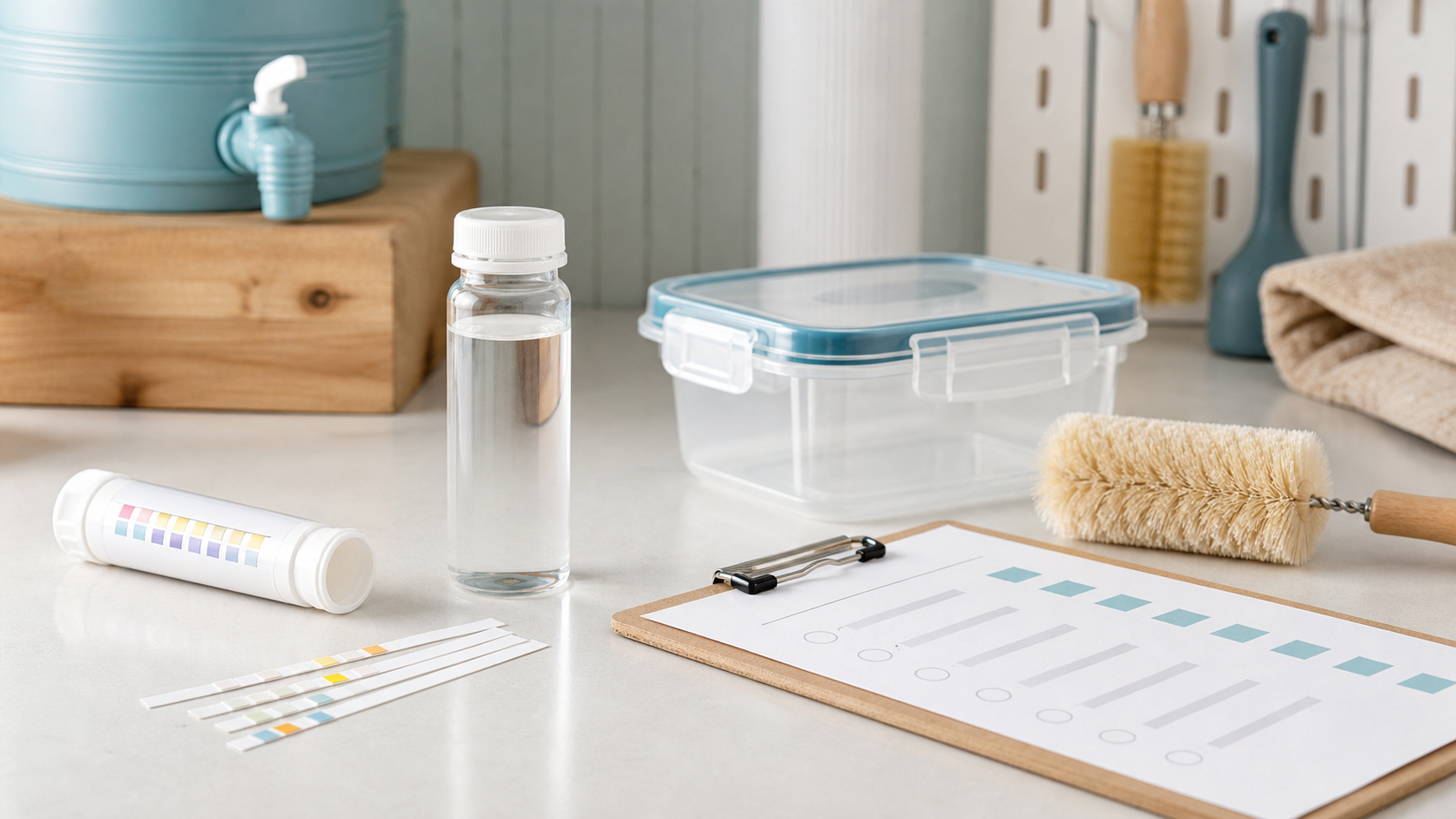
Clean hardware, protected storage and appropriate testing are essential parts of responsible water handling.
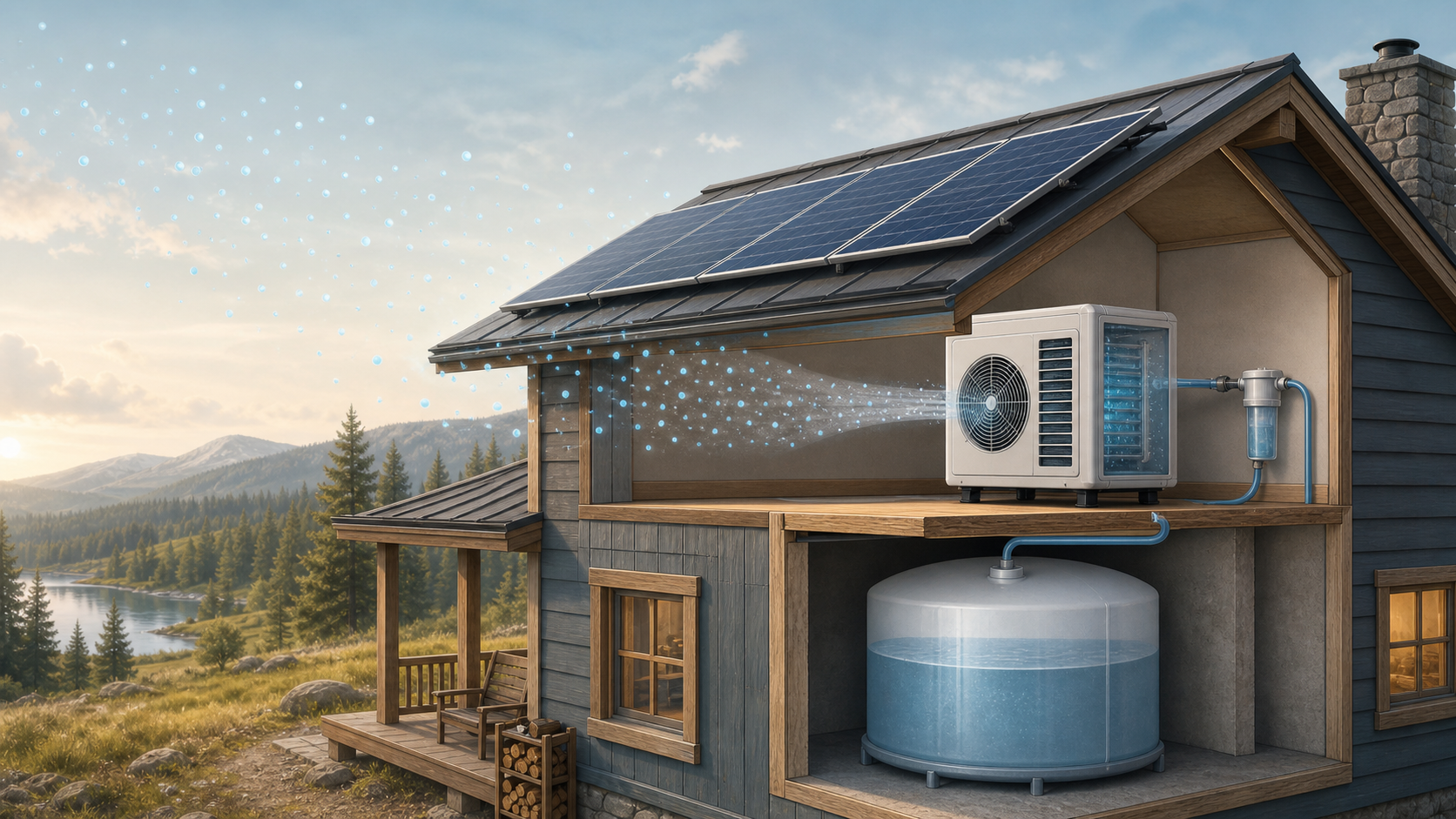
An off-grid concept needs a realistic energy budget, safe wiring and capacity that fits its local use case.
Evidence-based reading
Joseph’s Well is a DIY educational product. Use these primary public-health, emergency-preparedness and standards resources to validate water-treatment, storage and planning decisions for your own location.
U.S. Environmental Protection Agency
EPA guidance on boiling, disinfecting and important contaminant limitations.
Open EPA resource ↗Centers for Disease Control and Prevention
CDC steps for safe household water use when service may be interrupted.
Open CDC resource ↗Centers for Disease Control and Prevention
Overview of the multiple treatment barriers used by community water systems.
Open CDC overview ↗Ready.gov / FEMA
Federal preparedness planning and emergency supply-kit resources for U.S. families.
Open Ready.gov ↗NSF
How to evaluate filter and treatment-system certifications for relevant claims.
Open NSF standards ↗National Weather Service
Check local forecasts and conditions before estimating condensation potential.
Open weather.gov ↗External links are provided for educational reference. They do not endorse Joseph’s Well, this website, or any affiliate offer.